
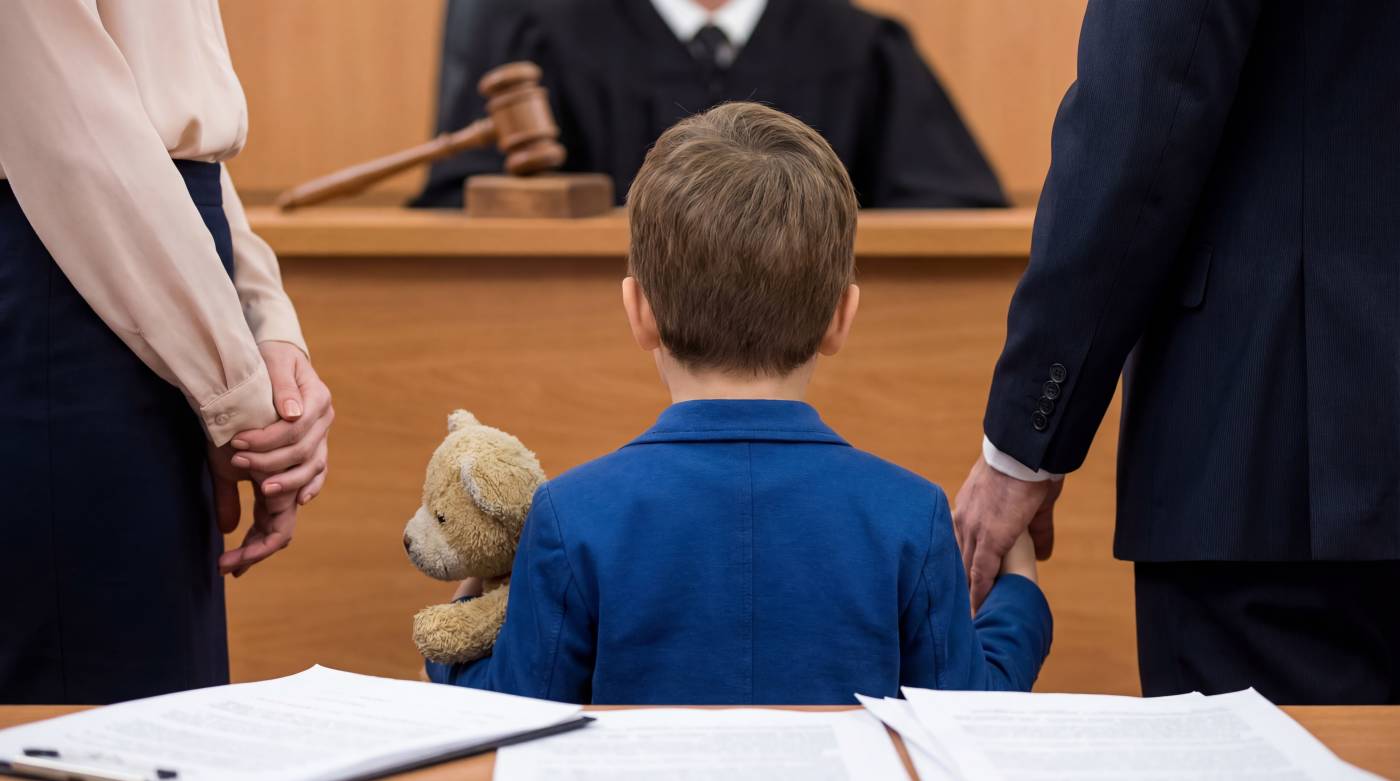
Strong evidence in a Texas child custody dispute should show how a proposed arrangement serves the child’s best interests. Useful evidence may document each parent’s involvement, the child’s emotional and physical needs, the stability of each home, compliance with existing orders, and any safety concerns. Records should be relevant, authentic, complete, and obtained legally.
In Texas, child custody is legally called conservatorship, while parenting time is described as possession and access. Courts make decisions about these matters based primarily on the child’s best interests.
Attorney Lisa M. Potter of THE POTTER LAW GROUP helps parents throughout Texas, including Houston, Dallas, Fort Worth, San Antonio, and El Paso, address custody and other family law concerns. Contact the firm today to schedule a free consultation.
Gather Documentation Related to Your Child’s Needs
Texas courts may consider the child’s present and future emotional and physical needs, each parent’s abilities, the stability of the proposed home, and other relevant circumstances. Evidence is most useful when it connects directly to one of these considerations.
Parents should preserve original records and avoid editing, cropping, or deleting potentially relevant material. A document’s existence does not guarantee that a court will admit or rely on it. Evidence must satisfy applicable legal and procedural requirements.
Include Evidence That Shows Parental Involvement
A parent’s consistent involvement can help demonstrate an ability to meet the child’s needs. Relevant records may show participation in education, health care, activities, transportation, and everyday responsibilities.
Examples of helpful custody evidence include:
School records: Attendance records, report cards, correspondence with teachers, and documentation of participation in school meetings or activities.
Medical records: Records showing involvement in appointments, treatment decisions, and the management of the child’s health needs.
Communication records: Messages documenting discussions about schedules, education, medical care, and other parenting responsibilities.
Activity records: Registration documents, schedules, receipts, or correspondence related to sports, lessons, and extracurricular activities.
Calendars and schedules: Contemporaneous records showing possession periods, exchanges, appointments, and routine caregiving responsibilities.
Photographs and videos: Authentic materials that provide relevant context about the child’s activities, living conditions, or parental involvement.
Evidence should present an accurate picture rather than a selectively edited one. A parent should not coach the child, stage interactions, or create records solely to influence the case. An experienced Texas family law attorney can help determine which materials are relevant and potentially admissible.
Preserve Communication and Parenting Records
Texts, emails, parenting-app messages, and other written communications may show how parents exchange information, make decisions, address schedule changes, and respond to the child’s needs.
Important communication records may include:
Text messages about parenting schedules.
Emails concerning school or medical decisions.
Messages about exchanges and possession periods.
Discussions about child-related financial responsibilities.
Conversations concerning the child’s needs.
Records of reasonable attempts to resolve disagreements.
Messages should generally be preserved with dates, times, sender information, and surrounding context. Screenshots that omit part of a conversation may be challenged as incomplete or misleading. When possible, retain the original electronic records and create secure backups.
Parents should not access another person’s password-protected accounts, impersonate someone online, install tracking software, or unlawfully intercept communications. Before making a secret recording, a parent should ask an attorney whether state and federal recording laws permit it and whether the recording could be used in court.
Document Concerns Affecting Your Child’s Well-Being
If a parent has concerns about safety, neglect, substance use, family violence, unstable housing, or repeated violations of a court order, documentation should focus on specific facts rather than accusations or conclusions.
Examples of information to document include:
Missed possession periods or repeated schedule changes.
Specific unsafe conditions affecting the child.
Relevant incidents involving the child’s health or safety.
Reports or records from law enforcement, medical providers, schools, or other appropriate authorities.
Potential witnesses with firsthand knowledge of relevant events.
Documented changes in the child’s behavior, health, education, or needs.
A personal journal may help establish a timeline, but entries should be factual, dated, and written close to the event. Statements based on rumor or speculation generally carry less weight than records and testimony from someone with direct knowledge.
Immediate safety concerns may require action beyond collecting evidence. A parent should contact emergency services or the appropriate authorities when necessary and speak with an attorney about available court remedies.
Prepare for Court With Organized Evidence
A large volume of documents does not necessarily make a strong case. Evidence should be organized around the issues the court must decide and the child’s best interests.
Parents can arrange records chronologically or by category, such as education, medical care, possession schedules, communication, and safety concerns. A timeline can help identify significant events, but it should refer back to the supporting records rather than replace them.
THE POTTER LAW GROUP can review the evidence, determine what may be admissible, identify missing information, and explain how Texas conservatorship law applies. An attorney can also help prepare exhibits and witness testimony in accordance with court rules and deadlines.
Parents should continue following existing court orders unless the court modifies them. Disagreement with the other parent generally does not authorize withholding possession or ignoring an order. Compliance can itself become relevant evidence of a parent’s judgment and willingness to support a stable arrangement.
Protect Your Relationship With the Help of a Family Law Attorney
Every custody dispute involves different facts. The most useful evidence will depend on the orders requested, the child’s needs, the parents’ history, and any disputed allegations. Organized records can help the court evaluate those circumstances, but no particular document guarantees an outcome.
Attorney Lisa M. Potter of THE POTTER LAW GROUP assists parents with conservatorship, possession, and other family law matters throughout Texas, including Houston, Dallas, Fort Worth, San Antonio, and El Paso. She can review the available evidence, explain the legal process, and help develop a strategy focused on the child’s best interests.
Contact THE POTTER LAW GROUP today to schedule a free consultation and discuss the next steps in your Texas child custody matter.